
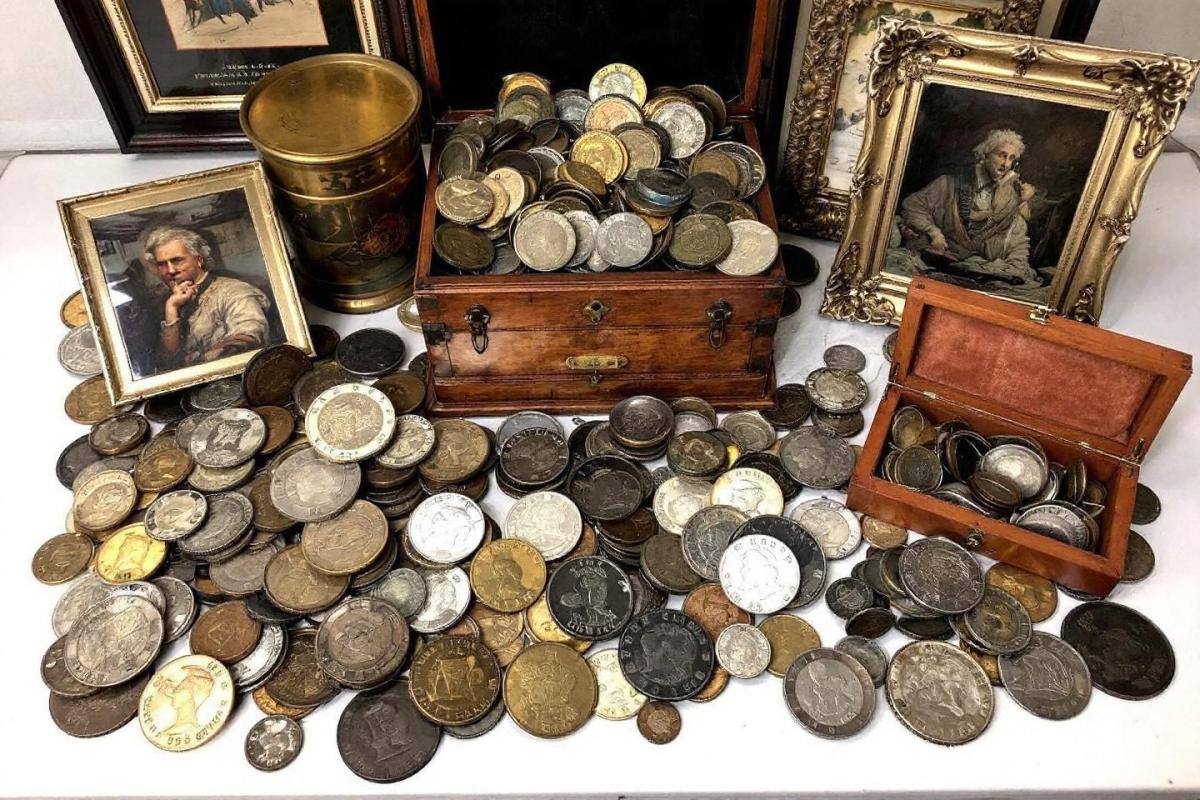
While traditional financial markets draw millions of investors toward stocks and bonds, a growing segment of savvy investors turns to an alternative asset class that has preserved wealth for millennia. Coin collecting represents more than a hobby—it’s a sophisticated investment strategy that offers unique advantages over conventional securities. These tangible assets provide diversification benefits, inflation protection, and historical value preservation that stocks simply cannot match.
The appeal of numismatic investments extends beyond mere financial returns. Collectors enjoy the tactile experience of owning physical assets while building portfolios that span centuries of monetary history. Unlike digital securities that exist only as electronic entries, coins offer investors something they can hold, examine, and appreciate both aesthetically and financially.
Physical assets versus digital securities
Tangible ownership represents the fundamental distinction between coin collecting and stock investing. When investors purchase shares, they acquire legal rights to future earnings and company assets, but they never physically possess anything substantial. Stock certificates have become largely obsolete, replaced by electronic records maintained by brokers and transfer agents.
Coins, conversely, provide immediate physical possession of precious metals or historically significant monetary instruments. This tangible nature offers psychological comfort during market volatility, as investors can literally hold their investments. The physical presence eliminates counterparty risk associated with brokerage accounts, where securities might be subject to institutional failures or regulatory changes.
Storage considerations differ dramatically between these investment approaches. While stocks require no physical space and minimal maintenance costs, coins demand secure storage solutions, insurance coverage, and environmental controls. However, many investors view these requirements as acceptable trade-offs for direct ownership and control over their assets.
| Investment Aspect | Coins | Stocks |
|---|---|---|
| Physical ownership | Direct possession | Electronic records |
| Storage requirements | Secure facilities needed | No physical storage |
| Counterparty risk | Minimal to none | Broker/company dependent |
| Liquidity | Variable by rarity | High for major stocks |
Market accessibility varies significantly between these investment vehicles. Stock markets operate during specific hours with standardized pricing mechanisms, while coin markets function through dealer networks, auction houses, and private transactions. This difference creates opportunities for knowledgeable collectors to identify undervalued pieces, but also requires greater expertise and market understanding.
Portfolio diversification through collectible assets
Asset correlation patterns demonstrate why sophisticated investors incorporate coins into their portfolios alongside traditional securities. Precious metal coins often move inversely to stock market performance, providing natural hedging during equity market downturns. When inflation fears drive investors away from paper assets, demand for gold and silver coins typically increases, supporting their values.
Historical performance data reveals that rare coin markets operate independently from stock market cycles. Economic recessions that devastate equity portfolios may have minimal impact on numismatic values, particularly for historically significant pieces. This low correlation coefficient makes coins valuable portfolio diversifiers for risk-conscious investors.
The following factors contribute to effective diversification through coin investments :
- Independent pricing mechanisms unrelated to corporate earnings
- Global collector base providing international demand stability
- Limited supply constraints that support long-term value appreciation
- Cultural and historical significance that transcends economic cycles
- Inflation hedging characteristics inherent in precious metal content
Geographic diversification represents another advantage of numismatic investing. Collectors worldwide seek historically significant coins from various nations and time periods, creating global demand networks. This international appeal provides stability when domestic markets experience volatility, as foreign collectors may increase purchases when currency exchange rates become favorable.
Inflation protection and wealth preservation strategies
Monetary debasement protection has historically made precious metal coins attractive during inflationary periods. As governments increase money supply and currency purchasing power declines, physical assets like gold and silver coins maintain intrinsic value based on their metal content. This characteristic provides superior inflation protection compared to stock dividends, which may not keep pace with rising consumer prices.
The store of value function of coins extends beyond their precious metal content to include numismatic premiums based on rarity, condition, and historical significance. These premiums often appreciate faster than the underlying metal values, providing additional returns that exceed basic inflation hedging. Rare coins from specific historical periods command premiums that reflect their scarcity and collector demand rather than just metal content.
Unlike corporate dividends subject to tax implications and potential cuts during economic downturns, coin appreciation occurs through capital gains that remain unrealized until sale. This tax-deferred growth characteristic allows investors to control the timing of tax obligations while preserving purchasing power over extended periods.
Long-term wealth preservation through numismatic investments has proven effective across multiple generations. Family collections often appreciate significantly over decades, providing inheritance assets that maintain value independent of currency fluctuations or political changes. Historical examples demonstrate that coins from fallen empires or discontinued monetary systems often become more valuable over time as their scarcity increases.
The durability of precious metal coins ensures physical preservation across centuries, unlike paper securities that may become worthless if issuing companies fail or governments collapse. This permanence factor appeals to investors concerned about long-term economic stability and seeking assets that transcend political and economic systems.