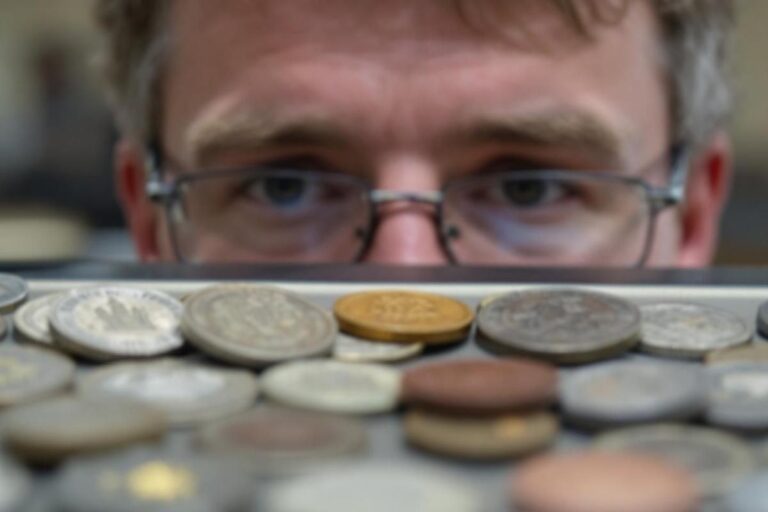

Starting a coin collection opens the door to a fascinating world where history, artistry, and investment potential converge. This rewarding hobby can begin with the simplest approach : examining the coins already in your possession. Check your pockets, piggy bank, couch cushions, and car for existing coins that could serve as the foundation of your numismatic journey. The beauty of coin collecting lies in its accessibility, making it an ideal pursuit for enthusiasts of all ages and backgrounds.
Collect what interests you most
The golden rule of successful coin collecting centers on personal passion and interest. Rather than attempting to collect everything, focus on specific themes that genuinely captivate your imagination. This targeted approach prevents overwhelming scatter and transforms your collecting experience into something truly meaningful.
Consider concentrating on particular categories such as state quarters, Lincoln pennies, or world coins featuring common themes like animals, flowers, buildings, or royal figures. Some collectors gravitate toward coins from specific countries or historical periods, such as the Civil War era, while others seek coins with fascinating designs and compelling stories behind their creation.
Understanding different coin types enhances your collecting strategy significantly. Uncirculated coins have never entered the economy’s money supply, maintaining their brilliant luster and showing no wear. These coins exhibit the distinctive “cartwheel effect” when light dances across their surface under illumination. Bullion coins contain precious metals intended for investors, with base values matching their metal weight. Proof coins receive special treatment, struck multiple times with high-quality polish for exceptional shine and intricate detail.
| Coin Type | Characteristics | Value Factors |
|---|---|---|
| Uncirculated | Never circulated, brilliant luster | Condition, rarity, demand |
| Bullion | Precious metal content | Metal weight and purity |
| Proof | High-quality polish, multiple strikes | Grade, certification, rarity |
Handle and store your collection properly
Proper handling techniques are absolutely critical for maintaining coin value and preventing irreversible damage. Always wear soft cotton gloves when handling coins, and hold them exclusively by their edges to prevent fingerprints and natural skin oils from causing deterioration. Position coins over a soft towel or protective pad to cushion any accidental drops.
Never attempt to brush or clean your coins, as this practice can create scratches and dramatically reduce their value. Cleaning removes the natural luster and patina that collectors prize, often destroying the coin’s numismatic worth entirely. Professional collectors understand that original, untouched surfaces command premium prices in the marketplace.
Storage requirements demand equal attention to detail. Maintain cool, dry conditions using protective cases, albums, or rigid plastic containers specifically designed for coin preservation. Avoid soft plastic holders containing polyvinyl chloride, which can coat coins in destructive green residue over time. Control both temperature and humidity in your storage areas, and keep important documentation like certificates of authenticity alongside your collection.
Essential materials for proper coin care include :
- Soft cotton gloves for safe handling
- Protective towels or pads for viewing sessions
- Magnifying glasses for detailed examination
- Quality coin holders or albums for storage
- Climate-controlled storage environment
Start simple and build gradually
Beginning collectors should embrace a patient, methodical approach rather than rushing into expensive purchases. Start with budget-friendly, accessible coins to determine whether this hobby truly suits your interests and lifestyle. Research coin values, historical significance, and grading systems before making any significant financial commitments.
Create detailed documentation of your collection, including coin type, minting year, acquisition location, purchase price, and relevant historical information. This comprehensive log helps track your collection’s growth and value while adding depth and meaning to your numismatic journey. Professional documentation becomes increasingly valuable as your collection expands.
Hunt for coins through various channels, including online platforms, vintage stores, antique malls, local coin shows, and yard sales. Physical handling at shops and shows provides invaluable experience, allowing you to feel the weight and examine intricate details that photographs cannot capture adequately.
Join communities and utilize resources
Engaging with coin collecting communities accelerates your learning curve and provides access to invaluable knowledge from experienced collectors. Local coin clubs, online forums, monthly meetings, and coin shows offer networking opportunities where seasoned numismatists willingly share their expertise with beginners.
Essential resources include comprehensive guides, grading references, and official mint websites that provide reliable information and regular updates. Coin magazines offer current market insights, while online identification tools help verify authenticity and estimate values. Professional grading services like PCGS and NGC provide industry-standard authentication and certification services for nominal fees.
Remember that successful coin collecting prioritizes enjoyment, learning, and the thrill of discovery over immediate financial gain. Augustus Caesar became history’s first known coin collector over 2,000 years ago, demonstrating this hobby’s enduring appeal. The first coins appeared in the 5th century, crafted from materials including gold, silver, and shells, establishing a tradition spanning nearly 2,700 years.
Avoid common mistakes such as getting scattered too early, rushing purchases without adequate research, cleaning coins, using improper storage, and focusing solely on monetary value rather than historical significance and personal enjoyment. Building a meaningful collection requires time, patience, and dedication to the craft.