
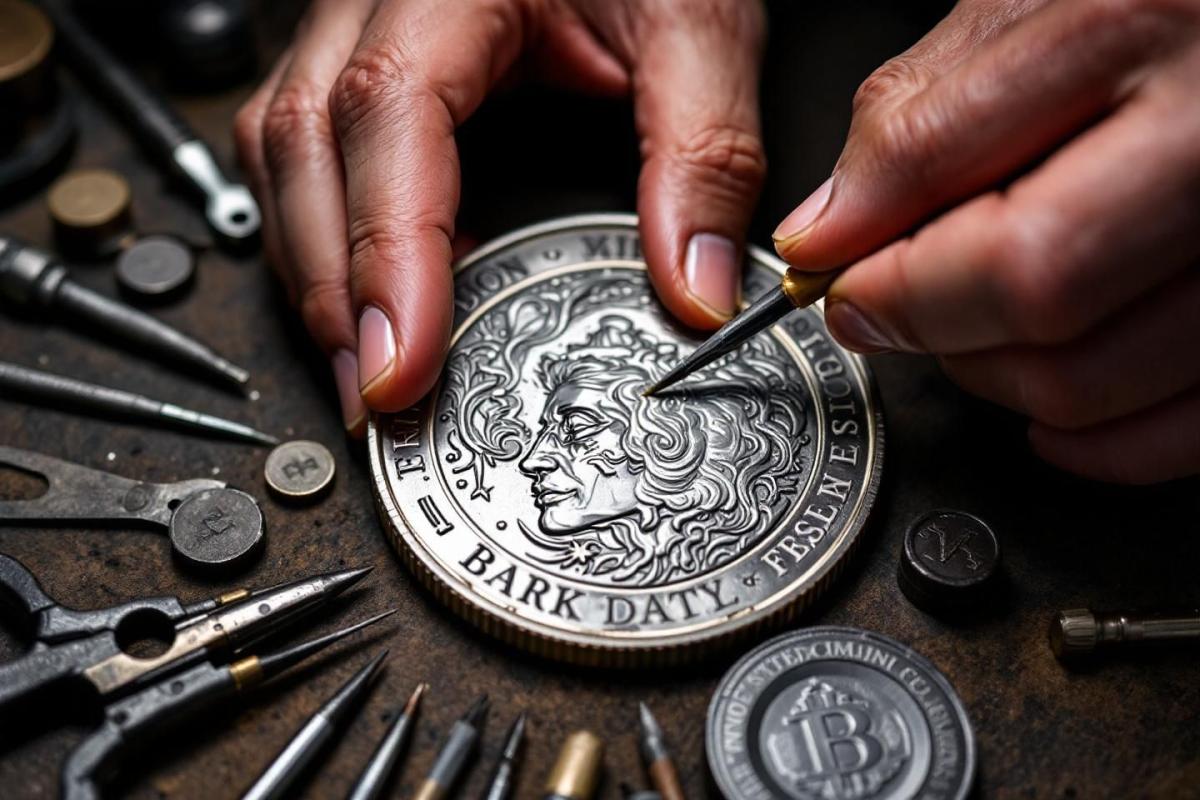
The transformation of precious metals into coins represents one of humanity’s most enduring technological achievements, combining artistic vision with metallurgical precision. Modern minting processes involve sophisticated scientific principles that ensure each coin meets exacting standards for quality, durability, and aesthetic appeal. The journey from raw gold to finished coin requires understanding of material science, engineering mechanics, and precision manufacturing techniques.
Contemporary coin production integrates traditional craftsmanship with cutting-edge technology, creating numismatic masterpieces that serve both functional and collectible purposes. The scientific methods employed in modern mints ensure consistent quality while preserving the artistic integrity that makes each coin unique. These processes have evolved significantly from ancient hammering techniques to today’s computer-controlled precision striking systems.
Engineering precision in blank preparation and metallurgy
The foundation of quality coinage begins with meticulous blank preparation, where raw gold undergoes precise scientific transformation. The creation of planchets requires careful attention to metal composition, with alloys varying no more than 0.1 percent from required gold content specifications. This precision ensures optimal striking characteristics while maintaining the coin’s intrinsic value and visual appeal.
Gold blanks are cut from specially prepared sheets using advanced blanking presses that maintain exact dimensional tolerances. The metallurgical properties of the gold alloy directly influence how the metal responds during the striking process. Modern minting facilities employ sophisticated testing equipment to verify weight, diameter, and purity measurements before blanks proceed to the next production stage.
The annealing process represents a critical scientific intervention that prepares the metal for optimal detail reception. Controlled heating and cooling cycles remove internal stresses while increasing malleability, allowing intricate design elements to transfer completely during striking. This thermal treatment ensures uniform metal properties throughout each blank, reducing the likelihood of defects or incomplete impressions.
| Coin Denomination | Diameter (mm) | Weight (grams) | Gold Content (troy ounces) |
|---|---|---|---|
| $50 Gold Eagle | 32.7 | 33.931 | 1.0 |
| $25 Gold Eagle | 27.0 | 16.966 | 0.5 |
| $10 Gold Eagle | 22.0 | 8.483 | 0.25 |
| $5 Gold Eagle | 16.5 | 3.393 | 0.1 |
Advanced die creation and design transfer technologies
Master die production involves sophisticated engraving techniques that translate artistic concepts into three-dimensional metal templates. Skilled artisans work with specialized steel blocks, carefully carving each design element to precise depths and angles. The master die serves as the foundation for creating multiple working dies, ensuring consistent reproduction across entire production runs.
Die reduction technology employs precision machinery to create working dies that account for metal expansion during striking. This scientific approach ensures final coins achieve desired dimensions and detail clarity. Computer-aided design systems now assist engravers in optimizing relief heights and angles for maximum visual impact while maintaining structural integrity during repeated use.
The transfer process from master to working dies requires understanding of metallurgical stress patterns and wear characteristics. Multiple working dies are typically produced to maintain consistent quality throughout extended production runs. Modern facilities utilize laser measurement systems to verify dimensional accuracy and surface finish quality on each working die before production begins.
Striking mechanics and quality control systems
The striking phase represents the culmination of scientific precision, where controlled force transfers intricate designs onto prepared blanks. Modern coining presses employ hydraulic or mechanical systems capable of delivering consistent pressure across the entire coin surface. The force application must be precisely calibrated to achieve complete detail transfer without causing blank distortion or cracking.
Quality control procedures integrate multiple inspection technologies to ensure each coin meets stringent standards. Visual inspection systems utilize high-resolution cameras and automated defect detection algorithms to identify surface irregularities, incomplete designs, or dimensional variations. Weight verification systems employ precision scales capable of detecting minute variations that could indicate composition problems.
Advanced measurement techniques include :
- Dimensional verification using laser measurement systems
- Surface finish analysis through optical scanning technology
- Metal composition testing via X-ray fluorescence spectroscopy
- Edge quality assessment using automated inspection cameras
- Overall visual grading by trained quality specialists
Specialized finishing techniques and modern innovations
Contemporary minting incorporates sophisticated finishing techniques that enhance visual appeal while maintaining scientific precision. Proof coin production involves multiple striking cycles with specially prepared dies that create mirror-like fields contrasted against frosted design elements. This process requires precise control of die preparation, blank conditioning, and striking parameters.
Selective metal application techniques, including gilding and layering processes, add visual complexity while adhering to strict compositional requirements. These enhancement methods utilize electrochemical deposition or mechanical bonding to apply precious metal layers to specific design areas. Modern laser technology enables precise surface texturing and pattern creation that was previously impossible with traditional mechanical methods.
Innovation in minting technology continues advancing through computer-controlled systems that monitor every aspect of production. Real-time quality monitoring systems track striking pressure, die alignment, and blank positioning to ensure optimal results. These technological advances enable production of coins with increasingly complex designs while maintaining the consistency and quality standards that collectors and investors demand.