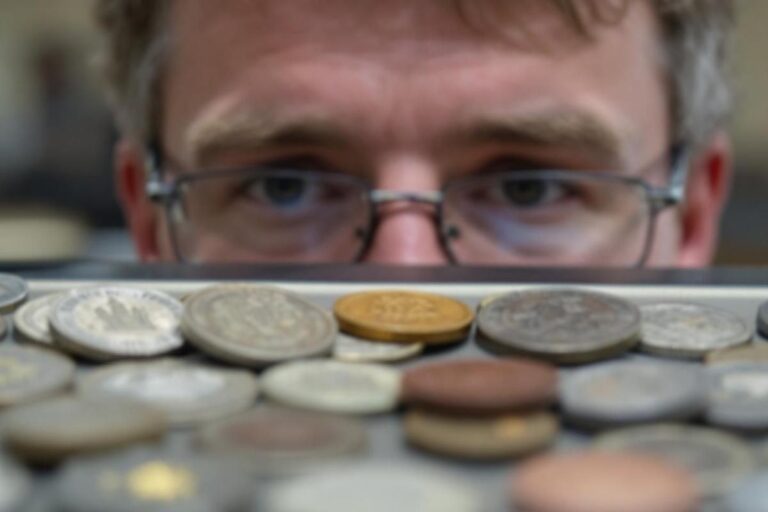
Error coin collecting stands as one of numismatics’ most fascinating pursuits, where collectors seek manufacturing mistakes that escaped mint quality control. These minting anomalies create unique pieces that often command significant premiums above face value. Understanding error coins and varieties requires knowledge of production processes and keen observation skills to identify authentic mint errors from post-production damage.
The allure of error collecting lies in discovering valuable treasures hiding in everyday pocket change. Professional numismatists and casual collectors alike hunt for these accidental masterpieces, knowing that finding a single significant error can yield substantial returns. The U.S. Mint’s mass production occasionally produces flawed coins that become highly sought-after collectibles, making error hunting an exciting blend of education and treasure hunting.
Understanding the primary categories of minting errors
Manufacturing mistakes fall into three distinct categories, each originating from different stages of coin production. Planchet errors occur during blank preparation, creating coins with improper specifications before striking begins. These include clipped planchets with irregular shapes, incorrect thickness blanks, and occasionally completely blank discs that missed the striking process entirely.
Die errors represent flaws in the steel dies that imprint designs onto coins. This category encompasses doubled dies where design elements appear twice due to hubbing mishaps, mismatched die pairings called “mules,” and various die deterioration issues. Die clashes occur when opposing dies strike each other without a planchet between them, leaving ghost impressions of reverse designs on obverse sides.
Strike errors happen during the actual pressing process when designs are impressed onto prepared blanks. Off-center strikes create dramatic visual errors where portions of designs are missing, while misaligned dies can produce fascinating combinations. Wrong planchet errors occur when coins are struck on blanks intended for different denominations, creating unusual size and metal composition combinations.
| Error Category | Common Examples | Typical Value Range |
|---|---|---|
| Planchet Errors | Clipped planchets, wrong thickness | $5-$500 |
| Die Errors | Doubled dies, die clashes | $25-$100,000+ |
| Strike Errors | Off-center, wrong planchet | $10-$10,000 |
Mastering techniques for spotting valuable mint errors
Successful error detection requires systematic examination methods and understanding of what distinguishes genuine mint errors from damaged coins. Authentic minting mistakes occur during production and affect entire batches, meaning identical errors often exist on hundreds or thousands of coins from the same production run. This batch production concept helps collectors understand why certain errors appear more frequently than others.
Visual inspection techniques involve examining coins under proper lighting with magnification when necessary. Collectors should look for doubled lettering, missing design elements, unusual striking patterns, and irregular planchet shapes. Die variety identification requires comparing suspected errors against known examples, as subtle differences can significantly impact values.
Professional authentication becomes crucial for valuable discoveries. Third-party grading services like PCGS and NGC now authenticate and grade error coins, providing crucial certification that increases marketability. Their expertise helps distinguish genuine mint errors from post-mint damage or altered coins, protecting collectors from costly mistakes.
Effective hunting strategies for error discovery
Coin roll searching remains the most cost-effective method for finding errors, allowing collectors to examine coins at face value with no financial risk. Banks typically provide rolls of circulating coins, giving hunters access to thousands of specimens for systematic examination.
Cherrypicking involves carefully examining coins at estate sales, coin shops, and flea markets where valuable errors might be overlooked. This method requires extensive knowledge but can yield spectacular discoveries when sellers don’t recognize error coins’ true values.
Exploring valuable error coins worth significant money
Historic error coins have achieved legendary status among collectors, with some specimens selling for hundreds of thousands of dollars. The 1943 copper Lincoln cent represents perhaps the most famous error, where approximately 15 bronze planchets were accidentally used during wartime steel production. These specimens regularly exceed $100,000 at auction, with one selling privately for over $1 million.
Modern valuable errors continue emerging from contemporary production. The 1955 doubled die Lincoln cent features dramatic doubling of dates and lettering, making it easily recognizable even to novice collectors. Low-grade examples consistently sell above $1,000, while mint state specimens command much higher premiums.
Notable valuable errors include :
- 1922-D “Plain” Lincoln cent – Missing mintmark due to die wear, worth $500+ in poor condition
- 1937-D “3-Legged” Buffalo nickel – Die polishing removed buffalo leg, $500-$2,500 range
- 2000-P Sacagawea dollar mule – Wrong die pairing, only 19 known examples averaging $50,000
- 1975 No-S proof Roosevelt dime – Missing mintmark, two known examples worth $450,000 each
State quarter programs introduced numerous modern errors, including the 2004-D Wisconsin quarter with extra leaves on corn stalks and various doubled die varieties. These contemporary errors prove that valuable mistakes continue occurring despite modern quality control measures.
Evaluating market trends and investment potential
Error coin values depend on multiple factors including rarity, error visibility, condition, and collector demand. Major dramatic errors typically command higher premiums than subtle varieties, especially when certified by reputable authentication services. The numismatic market for errors has shown consistent growth, with iconic pieces appreciating significantly over decades.
Investment considerations should include error type significance, population estimates, and long-term collector interest. Registry set competition drives demand for certified examples, while newly discovered varieties can experience rapid value appreciation as collectors compete for ownership. Understanding market dynamics helps collectors make informed decisions about acquisitions and disposals.
Educational resources through organizations like CONECA provide invaluable support for error collectors. These groups maintain comprehensive variety files, offer authentication services, and publish research documenting new discoveries. Serious collectors benefit from joining these organizations and studying specialized reference materials that detail known varieties and their market values.