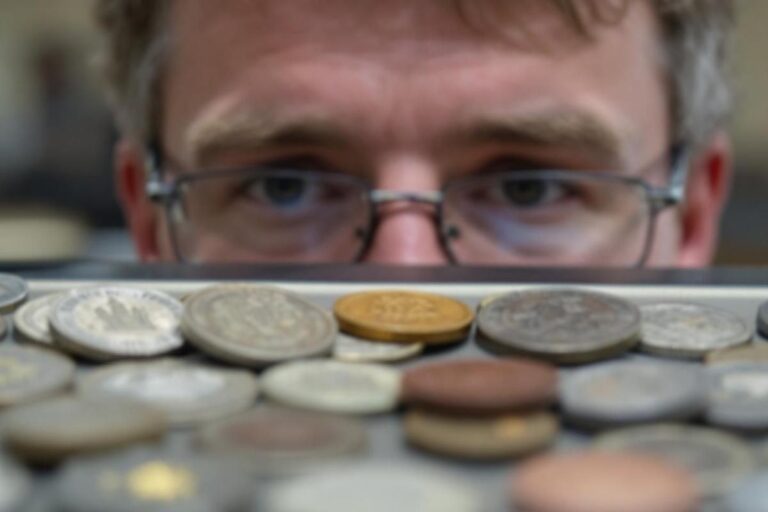

Collecting coins can transform from a simple hobby into a lucrative investment opportunity when you discover truly valuable pieces. Understanding how to distinguish rare coins from common ones requires knowledge of specific characteristics and careful examination techniques. Many valuable coins circulate unrecognized among everyday currency, waiting for knowledgeable collectors to identify their worth.
Key indicators for spotting rare coins
Mintage figures serve as the primary indicator of coin rarity and potential value. Coins produced in limited quantities during specific years or at particular mints naturally become more scarce over time. The relationship between supply and demand drives prices higher when collector interest exceeds availability. Researching official mint reports and numismatic databases provides essential mintage information for accurate assessment.
Date examination reveals critical information about a coin’s potential rarity. Pre-1800 coins generally qualify as rare due to their age and limited survival rates. Nineteenth-century pieces maintain collector interest with notable exceptions for common dates. Even twentieth-century coins can achieve rarity status through special circumstances like commemorative issues or production anomalies.
Metal composition significantly impacts value, particularly for coins containing precious metals like silver or gold. Pre-1965 American coins contained 90 percent silver content, making them worth approximately four times their face value based on current metal prices. Understanding composition changes throughout monetary history helps identify coins with inherent precious metal value beyond numismatic worth.
Error identification requires careful visual inspection for manufacturing anomalies that create instant rarity. Double die coins, where images appear duplicated due to multiple strikes, command premium prices among collectors. Off-center strikes, die cracks, and planchet flaws transform ordinary coins into valuable collectibles. These errors typically get caught before circulation, making surviving examples particularly sought after.
| Coin Type | Year Range | Rarity Factor | Value Range |
|---|---|---|---|
| Pre-1800 coins | Before 1800 | Very High | $500 – $50,000+ |
| 19th Century | 1800-1899 | High | $50 – $10,000+ |
| Silver coins | Pre-1965 | Moderate | $4 – $500+ |
| Error coins | Various | Variable | $25 – $5,000+ |
Research methods for identifying valuable coins
Professional coin evaluation begins with consulting reputable reference materials and online databases. The American Numismatic Association provides standardized grading criteria and authentication services. Professional Coin Grading Service offers comprehensive databases with historical auction results and current market values. These resources eliminate guesswork when determining coin authenticity and market worth.
Circulation history affects coin rarity through geographic distribution patterns and withdrawal circumstances. Regional mints produced varying quantities, creating scarcity in specific areas. Coins with limited circulation due to restricted issuance or economic events maintain higher collector demand. Understanding historical context surrounding coin production provides valuable insights into availability and desirability.
Market price analysis reveals genuine rarity through sustained collector interest and auction results. High prices in numismatic markets indicate strong demand relative to supply. Tracking sales records across multiple platforms provides realistic value expectations. Professional appraisers certified by recognized organizations offer expert opinions for significant discoveries.
Set exclusivity and commemorative issues create artificial scarcity through limited production runs. Special occasions, thematic collections, and anniversary celebrations generate coins with enhanced desirability. These pieces appeal to collectors seeking complete series or specific historical connections. Provenance documentation increases value for coins with interesting discovery stories or historical significance.
Essential research tools include :
- Official mint production reports and records
- Numismatic price guides and auction databases
- Professional grading service population reports
- Historical documentation and provenance records
- Market analysis and sales tracking platforms
Practical strategies for finding valuable coins
Bank coin rolls offer accessible opportunities for discovering valuable pieces without significant financial risk. Banks typically don’t examine coins before rolling, creating potential treasure troves for patient searchers. This method requires only face value investment with the ability to return unwanted coins. Systematic searching through multiple institutions increases success chances while maintaining minimal costs.
Unconventional search locations yield surprising discoveries where others overlook potential finds. Estate sales, garage sales, and flea markets frequently feature valuable collectibles sold at fraction of their worth. Sellers often lack knowledge about coin values, creating opportunities for informed buyers. Metal detecting in permitted areas uncovers lost coins with historical significance and collector appeal.
Condition assessment determines final value regardless of initial rarity factors. Well-preserved coins in higher grades command premium prices compared to worn examples. Key indicators include original luster retention, detail sharpness, and absence of damage or discoloration. Professional grading services provide standardized condition assessments that facilitate accurate valuation and market acceptance.
Age considerations must be balanced against other rarity factors for accurate evaluation. Some ancient coins remain readily available despite centuries of age, while recent issues achieve high values through limited production. Combining age with mintage figures, historical significance, and condition provides comprehensive rarity assessment. Regular practice identifying valuable coins improves expertise and recognition skills over time.