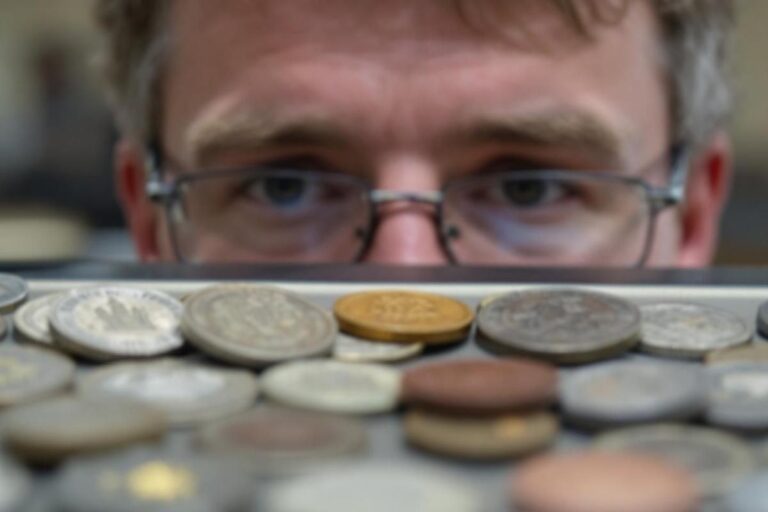

Coin collecting reveals fascinating dynamics where numismatic worth extends far beyond the mere precious metal content. While gold and silver provide inherent value, collectors and investors often discover that historical significance, rarity, and market demand create premiums that dwarf bullion prices. Understanding these complex valuation mechanisms helps both seasoned collectors and newcomers navigate the intricate world of numismatics effectively.
Core factors determining numismatic worth
Seven primary elements interact to establish a coin’s market value, creating a complex ecosystem where multiple variables work simultaneously. These factors include mintage numbers, surviving populations, collector demand, physical condition, historical age, artistic design, and precious metal content. No single element determines value alone, as successful coin evaluation requires analyzing how these components influence each other.
The relationship between these factors often produces surprising results. A coin with high precious metal content might trade below melt value due to common status, while a base metal piece could command thousands due to extreme rarity. The 1927-D Saint-Gaudens double eagle exemplifies this principle perfectly – originally minted at 180,000 pieces, fewer than two dozen survive today due to government melting programs in the early 1930s.
Professional grading services like PCGS and NGC provide crucial population reports, offering hard statistics about how many specific coins exist in particular grades. These reports help collectors understand true scarcity versus original mintage numbers. The distinction proves critical because original production figures rarely reflect current availability in the marketplace.
| Factor | Impact Level | Key Consideration |
|---|---|---|
| Mintage | High | Lower production typically increases value |
| Population | Very High | Surviving examples matter more than original mintage |
| Condition | Very High | Professional grading provides market confidence |
| Demand | High | Popular series command premium prices |
| Age | Medium | Older coins face natural population decline |
Market dynamics and collector demand patterns
The 1909-S VDB Lincoln cent demonstrates how collector enthusiasm affects pricing despite relatively high survival numbers. With approximately 50,000 specimens surviving from an original mintage of 484,000, this coin commands substantial premiums because it belongs to America’s most widely collected series. Millions of collectors compete for limited available examples, creating artificial scarcity through supply and demand imbalances.
Conversely, many obscure foreign coins with dramatically lower survival rates can be acquired inexpensively because few collectors actively seek them. This paradox illustrates how market recognition and collecting popularity often outweigh pure rarity in determining values. The numismatic community’s collective interest drives pricing more than mathematical scarcity alone.
Historical significance adds another layer to demand dynamics. Coins minted during pivotal moments or bearing likenesses of renowned historical figures hold immense cultural value. Ancient Roman Empire pieces, colonial-era American coins, and Gold Rush era specimens exemplify how historical context enhances numismatic appeal beyond mere age or precious metal content.
Design impact cannot be underestimated in modern collecting trends. The Eisenhower Dollar’s reverse design celebrating the moon landing adds substantial collector appeal beyond silver content or face value. Commemorative designs often distinguish coins from regular circulation strikes, creating dedicated collecting niches with sustained demand patterns that support premium pricing structures.
Condition assessment and authentication importance
Physical condition encompasses multiple aspects beyond simple wear patterns, including color preservation, toning characteristics, damage assessment, and overall visual attractiveness. Professional authentication services provide standardized, objective assessments that the marketplace recognizes and values consistently. These services eliminate guesswork and provide buyer confidence in both authenticity and condition grades.
Color and tone preservation significantly impact desirability, with natural toning patterns often preferred over artificial enhancement attempts. Cleaning coins typically decreases value substantially because collectors and dealers highly value original patina and surface characteristics. Even well-intentioned cleaning can remove microscopic details that contribute to a coin’s numismatic appeal and historical authenticity.
Error coins represent a specialized category where mint-made mistakes create extreme rarity and substantial premiums. However, distinguishing genuine mint errors from post-mint damage requires considerable expertise. Common error types include :
- Double strikes creating overlapping impressions
- Off-center strikes showing incomplete designs
- Wrong metal composition errors
- Die breaks creating raised lines on coin surfaces
- Missing design elements due to filled dies
Provenance adds another valuable dimension to condition assessment. Coins with documented ownership by famous collectors or inclusion in historically significant hoards command substantial premiums. This factor demonstrates how ownership history can enhance value independently of physical characteristics or precious metal content.
Maximizing value through proper identification
Determining accurate coin values requires systematic identification processes including country of origin, minting date, denomination, mintmark location, condition assessment, and special feature documentation. These basic elements allow consultation of current price guides and auction records for comparable examples. Professional evaluation helps distinguish between bullion coins deriving value primarily from metal content and rare pieces with significant numismatic premiums.
Current market conditions favor precious metal coins, with gold prices reaching historic highs driven by economic uncertainty and global market trends. Silver has experienced steady growth, particularly benefiting older coins with high silver content like pre-1965 American quarters, dimes, and half dollars. This environment creates optimal selling conditions for collectors looking to liquidate precious metal holdings.
Research using online databases, coin catalogs, and recent auction sales helps establish current market values accurately. Separating rare coins from generic bullion prevents underselling numismatically significant pieces at melt value prices. Professional consultation provides reasonable value estimates and helps understand the various factors contributing to specific coin premiums in today’s marketplace.