
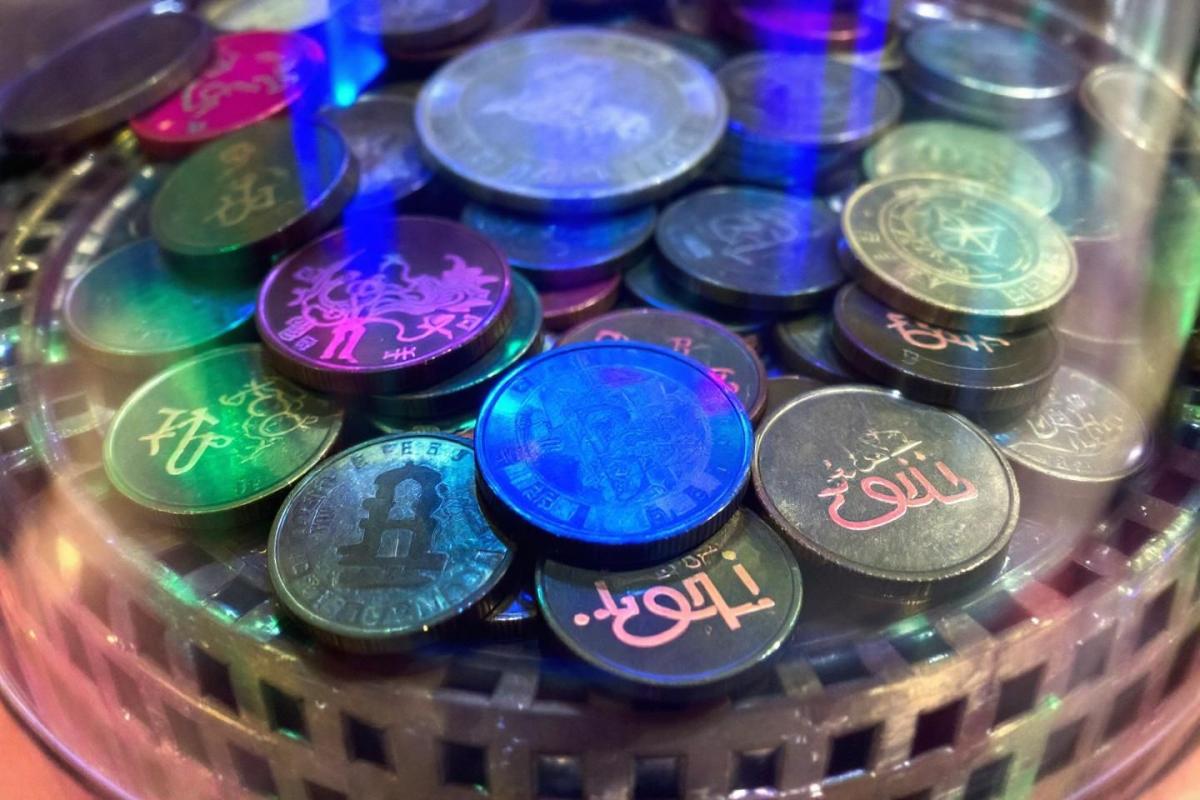
Coins transcend their monetary function to become powerful cultural symbols that capture the imagination of collectors and historians worldwide. The transformation from simple currency to cultural icon requires a complex interplay of historical significance, artistic merit, rarity, and the stories they tell about civilizations past and present.
Historical significance drives cultural icon status
The most compelling reason certain coins achieve cultural icon status lies in their historical significance. These numismatic treasures serve as tangible connections to pivotal moments in human civilization, offering collectors and enthusiasts direct access to the past through physical artifacts that once circulated in ancient hands.
Recent investigations highlight the enduring appeal of historically significant coins. Operation Pandora IX, coordinated across 23 countries in 2024, resulted in the seizure of thousands of archaeological items, including numerous ancient coins that had been illegally looted from protected sites. Among the recovered treasures were 2,500 Roman coins minted in the Celtiberian city of Tamusia, demonstrating how specific historical origins can make coins highly sought after by collectors and, unfortunately, criminals alike.
The cultural value of these coins extends far beyond their metal content. Byzantine icons and Roman artifacts seized during international operations illustrate how coins from specific periods become cultural ambassadors of their civilizations. These pieces carry stories of empires, trade routes, and political upheavals that shaped human history.
Professional grading services like Professional Coin Grading Service and Numismatic Guaranty Company recognize this historical dimension when assessing coin values. Their evaluations consider not only physical condition but also the historical context that transforms ordinary currency into extraordinary cultural artifacts. This process elevates coins from mere collectibles to important historical documents that preserve cultural heritage for future generations.
Artistic craftsmanship and design excellence
The journey from currency to cultural icon often begins with exceptional artistic design and craftsmanship. Coins featuring exquisite engravings and intricate details showcase the artistic capabilities of their respective mints and eras, creating lasting visual impressions that transcend their original monetary purpose.
Numismatic coins derive significant value from their artistic merit, with collectors appreciating the skill and creativity invested in their creation. These pieces represent the pinnacle of mint artistry, featuring detailed portraits, symbolic imagery, and commemorative designs that celebrate specific events or cultural figures. The artistic dimension distinguishes collectible coins from standard bullion, which prioritizes metal content over aesthetic considerations.
| Factor | Cultural Icon Coins | Standard Bullion |
|---|---|---|
| Primary Value Driver | Historical significance + artistic design | Metal content and purity |
| Collector Appeal | High due to uniqueness | Limited to metal investors |
| Cultural Connection | Strong historical narratives | Minimal cultural significance |
| Market Premium | Significant above spot price | Close to metal spot price |
The distinction between collectible and bullion coins becomes apparent when examining their cultural impact. While American Silver Eagles and Canadian Silver Maple Leafs serve primarily as investment vehicles, coins with historical provenance and artistic excellence command premiums well above their metal content. This premium reflects the cultural value embedded in their design and historical significance.
Contemporary mints continue this tradition by creating commemorative coins that celebrate cultural achievements, national milestones, and significant figures. These modern issues often feature advanced minting techniques and limited production runs, positioning them as potential future cultural icons for succeeding generations of collectors.
Rarity and provenance create lasting appeal
The transformation of coins into cultural icons relies heavily on their rarity and documented provenance. Limited mintage numbers, unique mint errors, and coins from specific historical periods create the scarcity that drives collector interest and cultural significance. This rarity factor separates iconic coins from mass-produced currency that lacks distinctive characteristics.
Archaeological discoveries and law enforcement seizures frequently reveal the cultural importance of rare coins. The recent confiscation of ancient coins being illegally transported across European borders demonstrates how rarity creates value that extends far beyond numismatic circles. Ukrainian customs authorities seized 87 cultural goods including 36 coins, while Spanish authorities intercepted travelers carrying 55 ancient coins and historical rings, highlighting the international demand for rare numismatic items.
The digital marketplace has revolutionized how rare coins are discovered and traded, though it has also created new challenges for cultural heritage protection. Cyber patrols during Operation Pandora IX identified illicit online sales of cultural property, resulting in the seizure of 4,298 cultural goods through virtual investigations. This digital transformation demonstrates how modern technology both facilitates and threatens the preservation of numismatic cultural icons.
Provenance documentation plays a crucial role in establishing cultural icon status. Coins with verified historical origins, archaeological context, or connections to significant events command higher respect within collector communities. The following factors contribute to a coin’s cultural significance :
- Documented historical origin and archaeological context
- Connection to significant historical events or figures
- Limited production runs or unique manufacturing characteristics
- Exceptional artistic design and craftsmanship quality
- Recognition by professional grading services and numismatic organizations
Investment considerations differ significantly between cultural icon coins and standard bullion products. While bullion pricing follows current market spot prices and provides high liquidity, cultural icon coins may experience stable or rising values based on scarcity and collector demand. However, finding buyers willing to pay premium prices requires research, patience, and understanding of the numismatic market’s complexities.